
Bienvenido a La Habana
Destination airport: José Martí International Airport HAV
Flight duration: 11 h 10 min
Euclidean distance: 8,165 km
Culinary specialities
Shredded Lamb
Ropa Vieja literally means „old clothes“ and describes the texture of the slow-cooked shredded beef. Originally from Spain, it became a culinary hallmark of Cuba.
Current live information
Did you know?
José Martí International Airport is Cuba's largest and most important airport, bearing the name of Cuban national hero and poet José Martí. The airport is located approximately 15 kilometres southwest of Havana city centre and is the main hub for the Cuban airline Cubana de Aviación. In the 1980s, the international terminal was built with Canadian assistance, as Canada was one of the few countries that maintained close relations with Cuba.
Places of interest
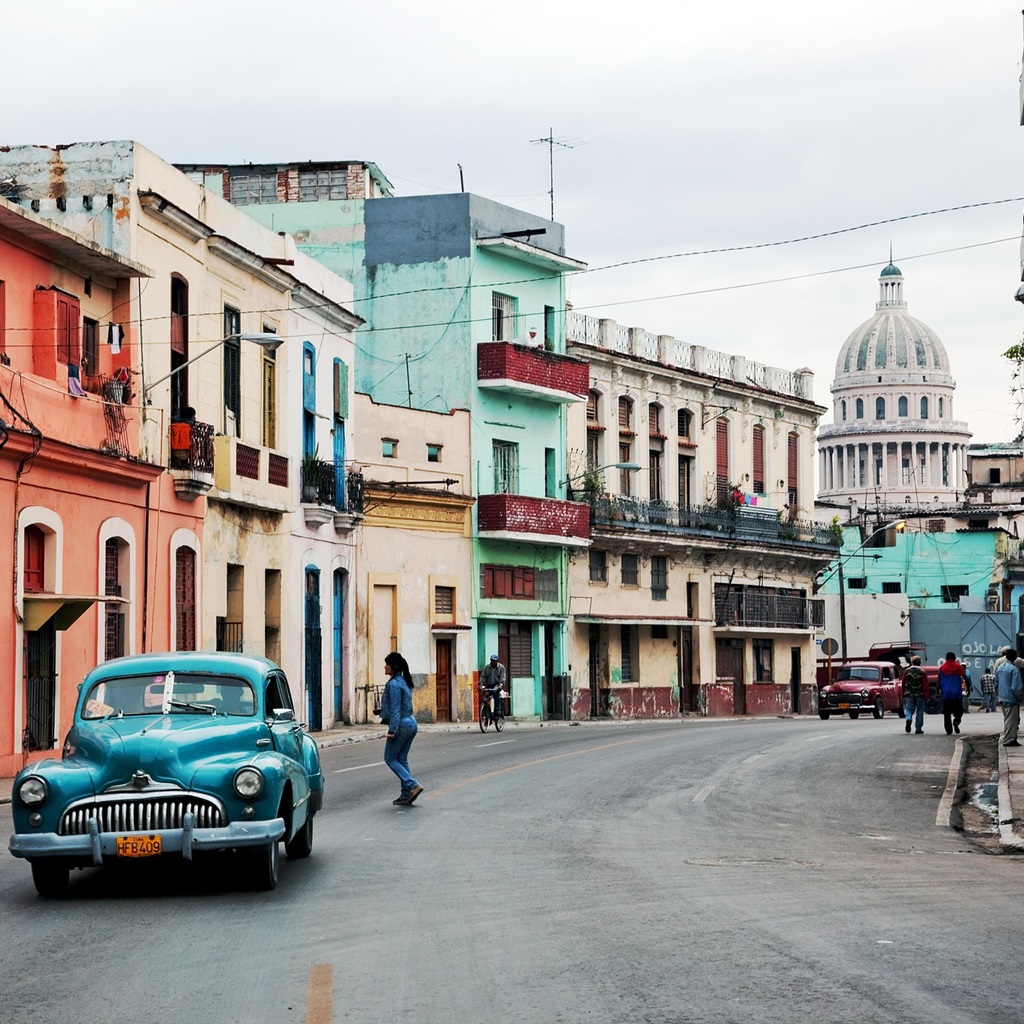
Havana's Old Town (Habana Vieja) captivates with its colourful colonial architecture, winding alleyways, and a very special nostalgic flair. Amidst pastel-coloured facades, vintage cars, and street music, you can experience the original Cuba – lively, rhythmic, and full of history.
A central meeting point is the famous Malecón, the roughly eight-kilometre-long waterfront promenade that runs along the coast. Here, locals and visitors meet at sunset to stroll, chat, or listen to music while looking out at the sea.
Directly by the harbour stands the Castillo de la Real Fuerza, one of the oldest stone forts on the American continent. The fortress, with its distinctive tower, was once part of the Spanish defence line and today offers a glimpse back into colonial maritime history.
Pure Cuban joie de vivre can be found at the legendary La Bodeguita del Medio bar, where according to legend, both Ernest Hemingway and Fidel Castro drank their mojitos. Amidst music, walls full of autographs, and a dense atmosphere, history is mixed with rum here – the Havana way.
Useless knowledge
- In Havana, the past drives by, and indeed, with squealing tyres. The classic cars look like museum pieces, but they're driven every day. Cubans keep their cars alive with creativity and chewing gum, and if something rattles, that's just «Cuban charm».
- The Mojito is a national treasure and is perfectly acceptable from around 11 am onwards.
- If you think you can dance – just wait until an 80-year-old Cuban woman gets up. Salsa here isn't a hobby, it's a lifestyle. And no matter how much you sweat, giving up isn't an option. Only the rhythm matters (and it's fast).
- Many of the well-known cigar rollers in Havana play their favourite songs via loudspeakers for motivation during their work.
 German
  English
  French